Fracture
Published by Parker Andrew
Fracture windows then resize, modify, and use shaders with the fractured selection.
Highlights
- Splits a window into fragments that can be selected as a group.
- Resizes and modifies the fractured selection after it is created.
- Applies shaders to the fragments of a window surface.
- Available for Linux only, under the MIT license.
About this application
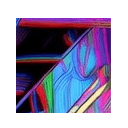
Fracture breaks a window apart into fragments and then treats those fragments as a working selection. Once a window has been fractured, the selection can be resized, modified, and run through shaders, so the pieces of a window become material for visual manipulation instead of a fixed rectangle drawn by the desktop.
The workflow is sequential: fracture first, then operate on what was fractured. That ordering places the program closer to a window-effects utility than to a window manager, since the point of interest is what happens to the fragments rather than tiling rules or placement policy. Shader support implies the transformations are applied to the rendered surface rather than to the application inside it.
Fracture comes from Parker Andrew and is distributed under the MIT license. It is listed for Linux only, so there is nothing here for other desktop platforms, and no capabilities beyond the fracture, select, transform and shade cycle are described.
Where to get it
Linux
- Open on FlathubOpens in a new tabPackage repositoryFlathub
From the publisher
Install from a terminal
flatpak install flathub systems.fracture.launcher
We do not host this file, we do not scan it and we do not inspect its contents. Read what the source says, then decide for yourself.